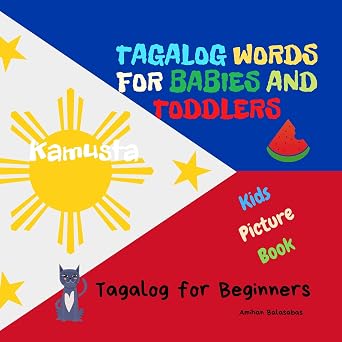
Click here to view my Tagalog picture book on Amazon
Tagalog Numbers 1 to 100 for Travel: Easy Filipino Counting Guide
Learning Tagalog numbers 1 to 100 is a useful first step before travelling to the Philippines. Whether you are asking for prices at a market, reading bus numbers, paying for food, checking hotel rooms, or teaching children simple Filipino words, knowing how to count in Tagalog can make travel easier and more enjoyable.
Tagalog, also known as Filipino, is widely spoken in the Philippines. Many Filipinos also use English numbers in everyday life, but learning Tagalog numbers shows respect for the local language and helps you connect more warmly with people during your trip.
Why Learn Tagalog Numbers Before Visiting the Philippines?
If you are travelling around Manila, Cebu, Palawan, Boracay, Bohol or other parts of the Philippines, numbers are useful every day. You may need them when buying fruit, asking the cost of a tricycle ride, ordering food, checking dates, counting people, or understanding basic directions.
This beginner-friendly guide gives you the number, the Tagalog word, and the English meaning from 1 to 100.
Quick Travel Tip
In many everyday situations, Filipinos may say prices using English numbers. However, you may still hear Tagalog numbers in conversation, local markets, family settings, and traditional learning. Practising both is helpful.
Tagalog Numbers 1 to 100
| Number | Tagalog | English |
|---|---|---|
| 1 | Isa | One |
| 2 | Dalawa | Two |
| 3 | Tatlo | Three |
| 4 | Apat | Four |
| 5 | Lima | Five |
| 6 | Anim | Six |
| 7 | Pito | Seven |
| 8 | Walo | Eight |
| 9 | Siyam | Nine |
| 10 | Sampu | Ten |
| 11 | Labing-isa | Eleven |
| 12 | Labindalawa | Twelve |
| 13 | Labintatlo | Thirteen |
| 14 | Labing-apat | Fourteen |
| 15 | Labinlima | Fifteen |
| 16 | Labing-anim | Sixteen |
| 17 | Labimpito | Seventeen |
| 18 | Labing-walo | Eighteen |
| 19 | Labinsiyam | Nineteen |
| 20 | Dalawampu | Twenty |
| 21 | Dalawampu't isa | Twenty-one |
| 22 | Dalawampu't dalawa | Twenty-two |
| 23 | Dalawampu't tatlo | Twenty-three |
| 24 | Dalawampu't apat | Twenty-four |
| 25 | Dalawampu't lima | Twenty-five |
| 26 | Dalawampu't anim | Twenty-six |
| 27 | Dalawampu't pito | Twenty-seven |
| 28 | Dalawampu't walo | Twenty-eight |
| 29 | Dalawampu't siyam | Twenty-nine |
| 30 | Tatlumpu | Thirty |
| 40 | Apatnapu | Forty |
| 50 | Limampu | Fifty |
| 60 | Animnapu | Sixty |
| 70 | Pitumpu | Seventy |
| 80 | Walumpu | Eighty |
| 90 | Siyamnapu | Ninety |
| 100 | Isang daan | One hundred |
How to Say Numbers 31 to 99 in Tagalog
Once you know the tens, the pattern is simple. Add 't, short for at, meaning “and”. For example:
- 31 - Tatlumpu't isa - Thirty-one
- 42 - Apatnapu't dalawa - Forty-two
- 56 - Limampu't anim - Fifty-six
- 73 - Pitumpu't tatlo - Seventy-three
- 99 - Siyamnapu't siyam - Ninety-nine
Useful Travel Phrases with Tagalog Numbers
- Magkano? - How much?
- Isa po. - One, please.
- Dalawa po. - Two, please.
- Tatlong tao. - Three people.
- Isang daan. - One hundred.
Learning Tagalog with Children
If you are teaching babies, toddlers or young beginners, start with simple counting games. Count toys, steps, fruit, animals or fingers. Picture books are especially helpful because children can connect the word with a clear image.
For an easy beginner resource, you can view my Tagalog for Babies, Toddlers and Beginners picture book on Amazon.
Frequently Asked Questions
How do you say 1 in Tagalog?
1 in Tagalog is Isa.
How do you say 10 in Tagalog?
10 in Tagalog is Sampu.
How do you say 100 in Tagalog?
100 in Tagalog is Isang daan.
Are Tagalog numbers useful for travel?
Yes. Tagalog numbers are useful when asking prices, counting people, ordering food, reading signs and understanding basic conversations in the Philippines.
Learning Tagalog numbers 1 to 100 is a simple but powerful way to prepare for travel to the Philippines. Practise a few numbers each day, use them while shopping or ordering food, and you will quickly feel more confident using Filipino in real situations.
