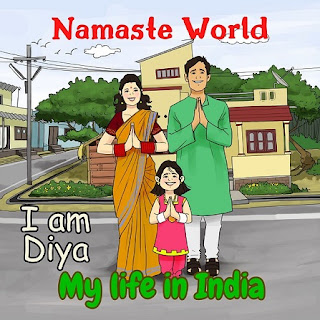
Please check out my book below: ๐Ÿ‘‡: Namaste World. I am Diya. My life in India:

India for kids

Poem on Bihar


Bihar, the land of Ashoka the Great
Where Gupta dynasty once reigned
Buddha and Mahavira both preached here
In Magadha, their teachings were retained

Sita, the queen of Ramayana fame
Was born in Bihar, it's her native land
Mahatma Gandhi, a man of great fame
Walked these streets, with a message so grand

But Bihar, oh Bihar, how you've fallen
Your failures, they cannot be ignored
But fear not, for you will rise again
Your future, it will be restored

 For Bihar, you are full of potential
Your people, they are strong and true
You've faced hardship, but you will prevail
Your spirit, it will see you through

So Bihar, hold your head up high
Your glory days, they will return
For you are the land of kings and sages
Your future, it will brightly burn

A poem on Bihar in Hindi

เคฌिเคนाเคฐ, เคœो เคธเคฆैเคต เคงเคจ्เคฏ เคฐเคนा
เค…เคถोเค• เคจे เคคिเคฐंเค—ा เคซैเคฒाเคฏा
เค—ुเคช्เคค เคตंเคถ เคจे เคธ्เคฅाเคชिเคค เคฐเคนा
เคฌुเคฆ्เคง เค”เคฐ เคฎเคนाเคตीเคฐा เคจे เคฌเคšाเคฏा 

เคฎเค—เคงा เค•ा เค‡เคคिเคนाเคธ เคนै เคฎเคนाเคจ
เคธीเคคा เค•े เคจाเคฎ เคธे เคœाเคจा เคœाเคคा เคนै
เคฎเคนाเคค्เคฎा เค—ांเคงी เคจे เคญी เคฏเคนाँ เค†เคฏा
เคฌिเคนाเคฐ เค•ा เคนुเค† เคนै เคธ्เคฎृเคคिเคฏों เค•ा เคธ्เคฅाเคจ 

เคนाเคฒांเค•ि, เคฌिเคนाเคฐ เคฎें เค…เคญी เคญी เคนै เค…เคธเคฎเคฐ्เคฅเคคा
เคตिเค•ाเคธ เคฎें เคนै เค…เคจเคฎोเคฒ เคนिंเคฆूเคธ्เคคाเคจ
เคฒेเค•िเคจ เคนเคฎ เคธเคฎเคเคคे เคนैं เค‡เคธเค•ा เคธเคซเคฐ
เคฌिเคนाเคฐ เคซिเคฐ เคธे เค‰เค ेเค—ा, เค‡เคธเค•ा เคนै เคนเคฎाเคฐा เคตिเคถ्เคตाเคธ 

เค†เค“ เคนเคฎ เคธเคฌ เคเค• เคนोเค•เคฐ เคธंเคญเคฒें
เคฌिเคนाเคฐ เค•ो เคซिเคฐ เคธे เคธुเคจเคนเคฐा เคฌเคจाเคं
เค…เคถोเค•, เคฌुเคฆ्เคง, เคฎเคนाเคค्เคฎा เค—ांเคงी เคธे เคธเคฒाเคฎ
เคนเคฎाเคฐा เคนै เคฏเคน เคงเคฐเคคी, เคฌिเคนाเคฐ เคนเคฎाเคฐा เคนै เค†เคธเคฎाเคจ

Buddha quotes on changing yourself


The wise words of the Buddha have inspired many over the years, and his words on the topic of changing yourself are particularly relevant for those of us seeking to make meaningful changes in our lives. From his thoughts on self-improvement to his views on perseverance, the following quotes by Buddha can be used as inspiration and guidance in our quest for personal growth.

The first quote by Buddha on changing yourself is “You, yourself, as much as anybody in the entire universe, deserve your love and affection”. This quote emphasizes the importance of self-love and self-care. Taking the time to show yourself compassion, kindness and appreciation can have a profound impact on how you view yourself and the changes you are making. Rather than expecting too much too soon, taking the time to appreciate your efforts and accomplishments, no matter how small, can be a powerful motivator.

The second quote by Buddha on changing yourself is “It is better to conquer yourself than to win a thousand battles”. This quote emphasizes the need to overcome our own personal obstacles, rather than relying on external successes to define our self-worth. When we are able to face our own inner battles and conquer our insecurities and fears, we are able to take meaningful action towards creating the life we want.

The third quote by Buddha on changing yourself is “Do not dwell in the past, do not dream of the future, concentrate the mind on the present moment”. This quote serves as a reminder to stay focused on the present and take one step at a time in order to achieve our goals. Rather than getting stuck in regret or anxious anticipation of the future, we can take a moment to recognize the present moment and use it as an opportunity to take action towards our goals.

The fourth quote by Buddha on changing yourself is “The mind is everything. What you think you become”. This quote speaks to the power of the mind and how it can shape our lives. By changing our thoughts and beliefs, we are able to create new possibilities for ourselves and open the door to positive change.

The fifth quote by Buddha on changing yourself is “You will not be punished for your anger; you will be punished by your anger”. This quote serves as a reminder to manage our emotions in order to avoid creating a cycle of anger and suffering. When we are able to take a step back and manage our emotional responses, we can create positive change in our lives and relationships.

The words of the Buddha can be an invaluable source of guidance and inspiration when it comes to changing ourselves. From self-love and self-care to conquering our own personal obstacles, these quotes can serve as reminders to focus on the present and take action towards our goals. By harnessing the power of our thoughts and managing our emotions, we can create a more meaningful and fulfilling life for ourselves.

In addition to the quotes mentioned above, the Buddha is credited with many other wise and profound sayings. Here are a few more quotes on the subject of changing oneself:

"You yourself, as much as anybody in the entire universe, deserve your love and affection."

"The mind is everything. What you think, you become."

"An insincere and evil friend is more to be feared than a wild beast; a wild beast may wound your body, but an evil friend will wound your mind."

"All that we are is the result of what we have thought. The mind is everything. What we think we become."

"Holding on to anger is like grasping a hot coal with the intent of throwing it at someone else; you are the one who gets burned."

"The tongue like a sharp knife... Kills without drawing blood."

"Peace comes from within. Do not seek it without."

These quotes suggest that the key to changing oneself is to focus on one's thoughts and inner state of being, rather than external circumstances. By practicing mindfulness and self-compassion, we can let go of negative thoughts and behaviours and cultivate a peaceful and loving state of mind.

Buddhism Made Easy: Buddhism for Beginners and Busy People

How has travel changed since covid?


Since the outbreak of COVID-19, the world of travel has undergone some drastic changes. From the emergence of new health and safety protocols to the introduction of digital technologies, the way we travel has drastically evolved in a short period of time. Lets take a look at how travel has changed since COVID-19 and how these changes have both improved and impeded the traveller’s experience.

In the age of COVID-19, travellers have been presented with a range of new health and safety protocols designed to ensure their safety during their trip. Airlines have implemented the mandatory wearing of face masks while flying, while hotels and other hospitality businesses are requiring guests to complete health check forms before they are allowed to stay. Many companies have also implemented new cleaning and sanitization protocols, such as deep cleaning guest rooms and other public areas, providing personal protective equipment to their staff and implementing temperature checks at the entrance of premises.

These protocols have not only impacted travellers directly but have also led to a number of changes in the booking and planning processes. Airlines and hospitality businesses now offer customers the option to cancel their bookings free of charge or to rebook for a later date with no additional charges. In addition, many companies now offer contactless check-in and payment options, allowing customers to avoid queues and remain socially distanced during their travels.

The use of digital technologies has also become increasingly commonplace in the travel industry since COVID-19. Digital solutions such as virtual tours, virtual reality (VR), augmented reality (AR), and artificial intelligence (AI) have been implemented to enhance the customer’s experience and provide them with a more personalized and interactive experience. AI chat-bots and virtual assistants are being used to help travellers find their way around their destination, while virtual reality is being used to provide customers with a 360-degree view of their destination before they even arrive.

However, the emergence of new health and safety protocols and the use of digital technologies have not been without their drawbacks. Some customers have expressed dissatisfaction with the mandatory wearing of face masks while flying, filling up extra forms, citing that it is uncomfortable, time taking and unpleasant. In addition many of the new digital technologies are expensive to implement and require a significant investment in resources, making them inaccessible to smaller businesses. Furthermore, the use of digital technologies has also created a number of privacy and security issues as personal data is being collected and shared with third parties.

Despite the changes brought about by COVID-19, travel has been able to adapt and evolve to meet the needs of its customers. The implementation of new health and safety protocols has enabled customers to travel with peace of mind knowing that their safety is being taken seriously. The use of digital technologies has opened up a range of new opportunities for travellers, allowing them to explore their destination like never before. As we move into the future, it is likely that the travel industry will continue to evolve to meet the changing needs of its customers.

10 phrases to know before going to India


Here are 10 phrases that could be useful for a tourist to know before visiting India:

If you are planning to visit India, it is always helpful to know some basic phrases in the local language particularly in Hindi.

Namaste: This is a traditional greeting in India that means "Hello" or "I bow to you." You can use this when you meet someone for the first time or when you want to politely get someone's attention.

Dhanyavaad: This is a way of saying "Thank you" in Hindi, which is one of the most widely spoken languages in India.

Kya aap Angrezi bolte hain?: This is a question that means "Do you speak English?" in Hindi. Knowing this phrase can be helpful if you need to communicate with someone who doesn't speak your language.

Mujhe bhook lagi hai: This is a phrase that means "I am hungry" in Hindi. You can use this if you need to let someone know that you're in need of food.

Kitne ka hai?: This is a question that means "How much is it?" in Hindi. It can be useful when you're shopping or trying to negotiate a price for something.

Kya aap Hindi bolte hain? - This means "Do you speak Hindi?" Hindi is one of the most widely spoken languages in India, and it can be helpful to know a few phrases in the language if you plan to travel there.

App kaha jaa rahe hain? - This means "Where are you going?" It can be useful to ask for directions or to ask locals for recommendations on places to visit.

Mujhe maaf karna - This means "excuse me" or "please forgive me." It's a polite way to get someone's attention or to apologize for any mistakes you may make.

Kitne ka hai? - This phrase is used to ask how much something costs. It is a useful phrase to know when shopping or bargaining for goods in India.

Mujhe chai chahiye - This phrase is used to ask for tea, which is a popular beverage in India. It is a simple way to order a cup of tea in a restaurant or cafe.

Aap kaise hain? - This means "how are you" in Hindi. It's a common question that people will ask you when they meet you, and it's a good idea to know how to respond

Essential Hindi Words And Phrases For Travelers To India

What are the 10 words that someone should know before traveling to india


Hindi is the most widely spoken language in India, with over 41% of the population speaking it as their first language. Therefore, learning Hindi before traveling to India could be very useful. However, India is a diverse country with many different languages, so it may also be worth learning the local language of the area you will be visiting. Some other commonly spoken languages in India include Bengali, Tamil, and Telugu.

All About India: Introduction to India for Kids

Here are 10 words that you should know before traveling to India

Namaste (hello)

Dosa (a type of savory pancake)

Rickshaw (a type of three-wheeled vehicle)

Masala (a mix of spices used in Indian cooking)

Chai (tea)

Bollywood (the Indian film industry)

Yoga (a physical and spiritual discipline)

Curry (a dish with a sauce made from a mixture of spices)

Monsoon (the rainy season)

Diwali (a major Hindu festival)


Namaste World. I am Diya

Namaste world I am Diya Children’sMulticulturalism book 


My Books

HTML tutorial

Trending now